April 7th – World Health Day – A healthy life to add years to life

Today April 7th  is the World Health Day, which coincides with the anniversary of the establishment of the World Health Organization, who turns 64 years this year. “Good health adds years to life” is the theme for this year’s world health day associated dedicated to aging.

And “Ageing well: a global priority” is the title of the editorial that the Lancet devoted to this recurrence.

Globally, we’re getting older. In no more than five years, for the first time in history, the number of people over 65 years of age will exceed that of children under 5 years. Advances in medical sciences, socio-economic development, and fertility decline have contributed to this demographic change, and countries must adapt to this change in a positive and inclusive way.
The aging of the population is often seen in negative terms and the elderly as a burden to society, it should instead be seen – writes the Lancet – as something to celebrate. The elderly may in fact still make a significant contribution to society through their experiences and knowledge, within families and through work both paid and unpaid. Unfortunately most of the elderly do not receive the care needed to prevent chronic preventable or controllable diseases, such as cardiovascular diseases. In addition, more than 250 million elderly people worldwide are suffering from moderate to severe disabilities, such as decreased vision, dementia, hearing loss and arthritis. It is estimated that every year 28-35% of the elderly suffer the consequences of falls. Although elderly abuse is a serious health problem, which largely escapes the statistics.

In today’s World Health Day, WHO aims to promote a healthy, active aging, based on healthy behaviors, healthy environments and preventive care in all ages to prevent the development of chronic diseases. In short, mobilizing for healthy aging for all, the WHO  relaunches the old goal of “health for all”: it was the year 1978 and the commitment was to reach it by the year 2000. Meanwhile also the WHO got older, and a lively debate on its reform is ongoing, an issue which will also be addressed by the coming World Health Assembly (in May). Next year, the WHO would become 65 years old, the hope is that the forces that have always opposed the idea of ​​the WHO as the coordinating and directing authority of global health and thus it regulatory role, do not succeed in obtaining its retirement.

Pubblicato in Global Health @en, World Health Organization @en | Commenti disabilitati su April 7th – World Health Day – A healthy life to add years to life

7 aprile – Giornata Mondiale della Sanità – Vita sana per aggiungere anni alla vita

Il 7 aprile è la Giornata mondiale della salute, che coincide con l’anniversario della costituzione dell’Organizzazione Mondiale della Sanità, che compie quest’anno 64 anni.  “La buona salute aggiunge anni alla vita” è il tema associato alla giornata quest’anno dedicata all’invecchiamento.

E “Invecchiare bene: una priorità globale” è il titolo dell’editoriale che il Lancet dedica a questa ricorrenza.

A livello globale, stiamo invecchiando. Tra non più di cinque anni,  per la prima volta nella storia, il numero di persone dai 65 anni di età supererà quello dei bambini di età inferiore a 5 anni. I progressi della medicina, lo sviluppo socio-economico, e la fertilità in calo hanno contribuito a questo cambiamento demografico, e i paesi devono adattarsi a questo cambiamento in modo positivo e inclusivo. L’invecchiamento della popolazione è spesso visto in termini negativi e gli anziani come un peso per la società, esso dovrebbe invece essere visto  – scrive il Lancet – come qualcosa da celebrare. Le persone anziane possono infatti ancora dare un significativo contributo  alla società attraverso le loro esperienze e conoscenze, all’interno delle famiglie e attraverso il lavoro sia retribuito e non retribuito. Purtroppo la maggior parte degli anziani non riceve le cure necessarie per prevenire malattie croniche – come quelle cardiovascolari – evitabili o controllabili. Inoltre, più di 250 milioni di persone anziane in tutto il mondo, sono affetti da disabilità da moderata a grave, come diminuzione della vista, demenza, perdita dell’udito e artrosi. E si stima che ogni anno 28-35% degli anziani soffrono delle conseguenze di cadute. Anche maltrattamento degli anziani è un serio problema di salute, che in gran parte sfugge alle statistiche perché non dichiarato.

Nell’odierna Giornata Mondiale della Salute, l’OMS intende farsi dunque promotrice di un invecchiamento sano e attivo, basato su comportamenti salutari, ambienti sani e cure preventive in tutte le età per prevenire lo sviluppo di malattie croniche. Insomma, mobilitandosi per un invecchiamento sano per tutti, l’OMS rilancia così l’obiettivo di altri tempi della “salute per tutti”: correva l’anno 1978 e ci si era impegnati a raggiungerlo per il 2000. Nel frattempo è invecchiata anche l’OMS, ed è in corso un vivace dibattito sulla riforma, che affronterà anche la prossima Assemblea Mondiale della Sanità (in maggio). L’anno prossimo l’OMS farebbe 65 anni, la speranza è che le forze che hanno sempre contrastato l’idea dell’OMS come autorità di coordinamento e direzione della sanità internazionale ed il suo potenziale ruolo regolatore non riescano a mandarla in pensione.

Pubblicato in Organizzazione Mondiale della Sanità, Salute Globale | Contrassegnato , , | Commenti disabilitati su 7 aprile – Giornata Mondiale della Sanità – Vita sana per aggiungere anni alla vita

La Riforma dell’OMS: rischi e opportunità. Un funzionamento politico più sano

The World Health Organization’s overall goal as defined in Article 1 of its Constitution is “the attainment by all peoples of the highest possible level of health”. In order to achieve its objective, the organization was endowed with extensive normative powers “to act as the directing and co-ordinating authority on international health work”. However, in the changing global scenario, the World Health Organization (WHO) has been facing increasing challenges in playing that leading role deriving from its constitutional mandate.
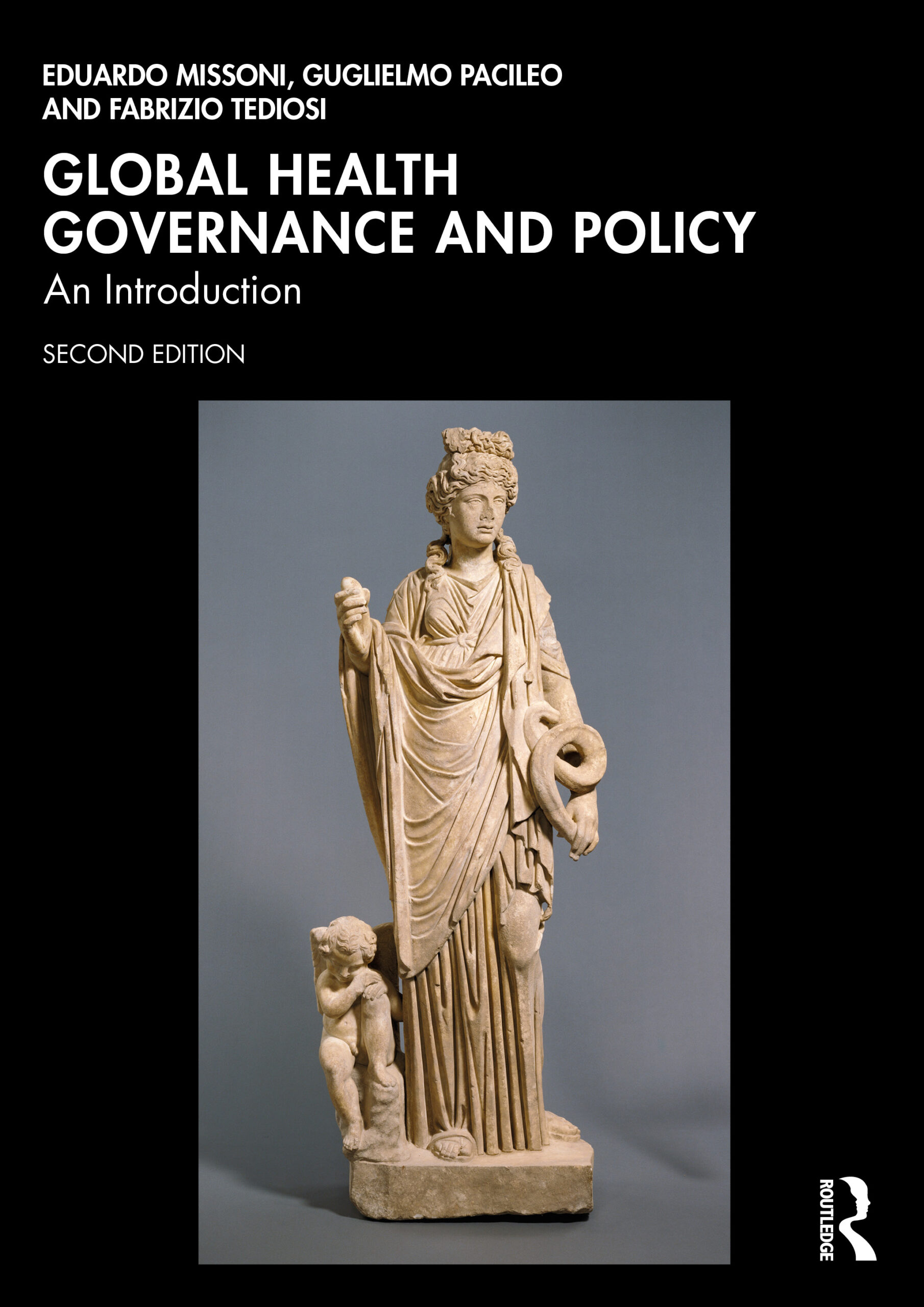
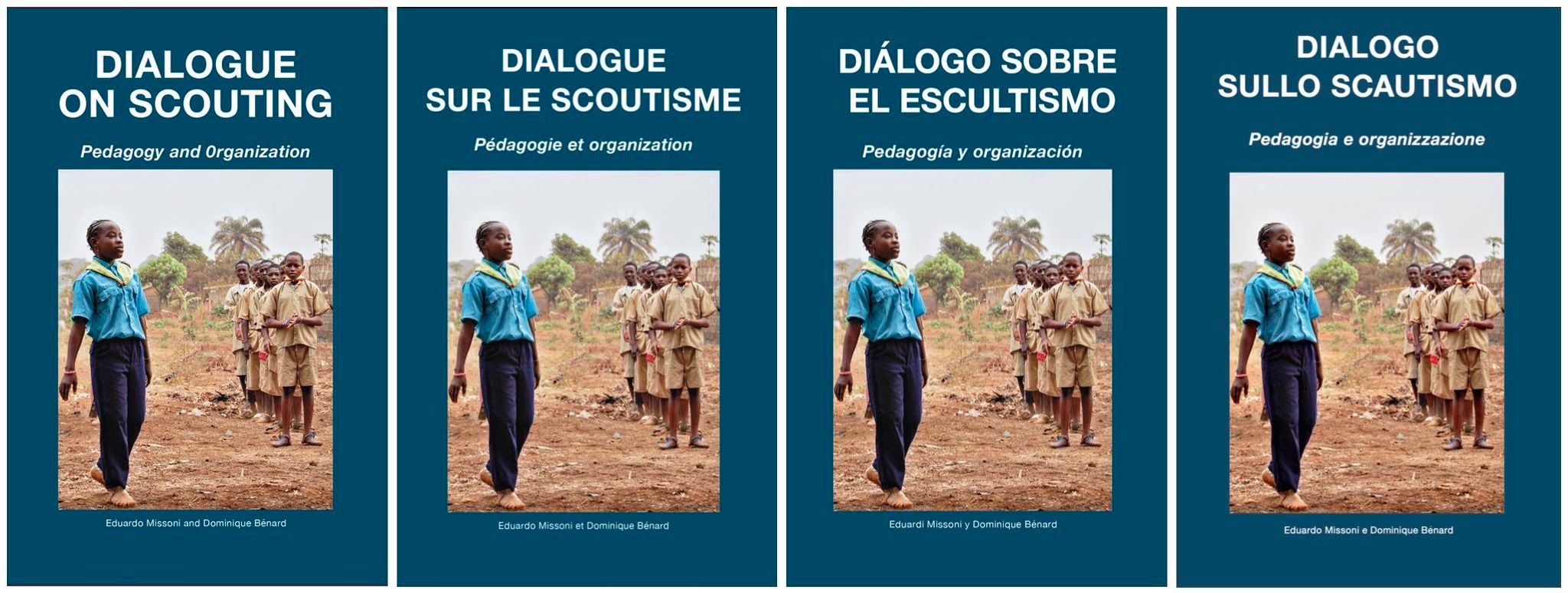
In December 2010 Jack Chow a former assistant director general of WHO, considering the organization as “outmoded, underfunded and overly politicized”, put forward a provoking question: “Is the WHO becoming irrelevant?” (Chow 2010) The first answer came from WHO’s Director General, Dr. Margaret Chan. She explained that given “today’s crowded landscape of public health” leadership cannot be mandated but must be earned through strategic and selective engagement. “WHO can no longer aim to direct and coordinate all of the activities and policies in multiple sectors that influence public health today” she added. (WHO. The future of financing for WHO 2011)

Increased inefficiency of the global health system

On one side, with the acceleration of the globalization process the social determinants of health have been considerably affected by dynamics outside the health sector. On the other, while an unprecedented level of global funding has been directed to health issues over the last two decades, the increase was mostly driven by vertical initiatives for the control of HIV/AIDS and a few other diseases. This was associated with the mushrooming of new organizations and global public-private ventures, bilateral programs and the rise of non-state actors – over all the Bill and Melinda Gates Foundation – that often overshadowed WHO and brought to increased inefficiency of the global health system, an unsustainable fragmentation also at country level, and confusion in global health governance. Finally WHO had to face priority-setting and planning constraints imposed, among others, by the way it is financed.

Regular budgetary funds (RBFs) are provided through a series of assessed contributions from member states calculated biennially according to the UN scale of ability to pay (based on GNP and population). On the basis of the system a small number of high-income countries provide most of WHO’s core funding. Within its regulations, the WHO attempts to maintain autonomy by enforcing the rule that no single country can contribute more than 1/3 of the total RBFs. However, the US remains the largest single source, providing 22% of the RBFs. (Lee 2009)

From the 1950s additional voluntary contributions, i.e. Extrabudgetary Funds (EBFs) came to provide a vital, though highly earmarked, non flexible, source of financing for disease control and eradication programs. In the 1970s EBFs accounted for 20% of total WHO expenditure, with over half of these funds coming from other UN organizations. At least in part in response to the alleged “politicization” of UN agencies such as UNESCO and the International Labour Office (ILO), in 1982 major donors (known as the Geneva group) imposed a policy of zero real growth (adjusting for inflation) to the regular budget of all UN organizations, that remained in place until 1993 when an even more austere zero nominal growth (not inflation adjusted) was introduced. (Lee 2009) In a similar fashion, some of WHO’s initiatives had been strongly opposed. “Health for all” and the Primary Health Care strategy was counteracted by the “Selective PHC”. The International Code of Marketing of Breast-milk Substitutes was adopted with the opposing vote of the United States. Finally, the Essential Drugs Program, harshly opposed by US-based pharmaceuticals companies, led the United States to withhold their contribution to WHO’s regular budget in 1985. (Missoni 2009)…. Read More on MMS Bullettin)

Pubblicato in Organizzazione Mondiale della Sanità, Salute Globale | Contrassegnato , | Commenti disabilitati su La Riforma dell’OMS: rischi e opportunità. Un funzionamento politico più sano

WHO Reform: threats and opportunities. A Healthier Political Functioning

The World Health Organization’s overall goal as defined in Article 1 of its Constitution is “the attainment by all peoples of the highest possible level of health”. In order to achieve its objective, the organization was endowed with extensive normative powers “to act as the directing and co-ordinating authority on international health work”. However, in the changing global scenario, the World Health Organization (WHO) has been facing increasing challenges in playing that leading role deriving from its constitutional mandate.
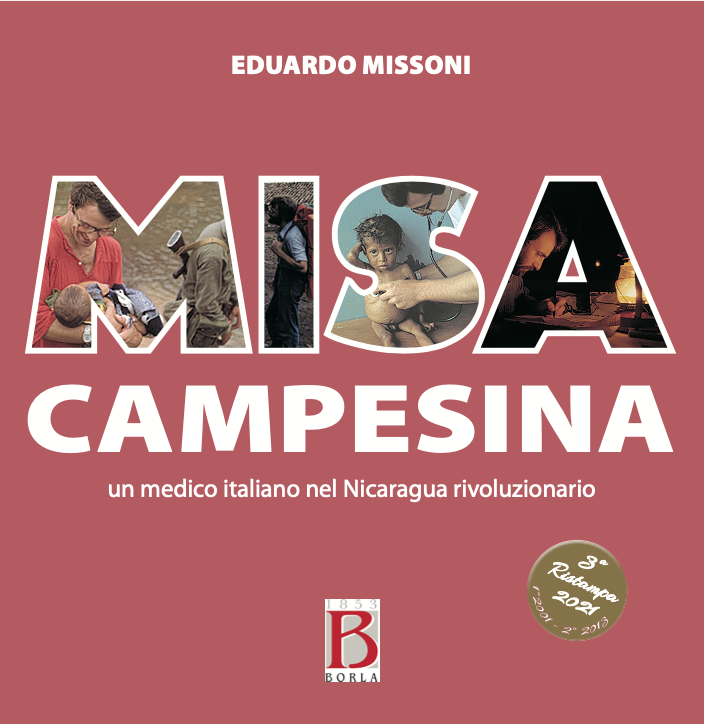
In December 2010 Jack Chow a former assistant director general of WHO, considering the organization as “outmoded, underfunded and overly politicized”, put forward a provoking question: “Is the WHO becoming irrelevant?” (Chow 2010) The first answer came from WHO’s Director General, Dr. Margaret Chan. She explained that given “today’s crowded landscape of public health” leadership cannot be mandated but must be earned through strategic and selective engagement. “WHO can no longer aim to direct and coordinate all of the activities and policies in multiple sectors that influence public health today” she added. (WHO. The future of financing for WHO 2011)

Increased inefficiency of the global health system

On one side, with the acceleration of the globalization process the social determinants of health have been considerably affected by dynamics outside the health sector. On the other, while an unprecedented level of global funding has been directed to health issues over the last two decades, the increase was mostly driven by vertical initiatives for the control of HIV/AIDS and a few other diseases. This was associated with the mushrooming of new organizations and global public-private ventures, bilateral programs and the rise of non-state actors – over all the Bill and Melinda Gates Foundation – that often overshadowed WHO and brought to increased inefficiency of the global health system, an unsustainable fragmentation also at country level, and confusion in global health governance. Finally WHO had to face priority-setting and planning constraints imposed, among others, by the way it is financed.

Regular budgetary funds (RBFs) are provided through a series of assessed contributions from member states calculated biennially according to the UN scale of ability to pay (based on GNP and population). On the basis of the system a small number of high-income countries provide most of WHO’s core funding. Within its regulations, the WHO attempts to maintain autonomy by enforcing the rule that no single country can contribute more than 1/3 of the total RBFs. However, the US remains the largest single source, providing 22% of the RBFs. (Lee 2009)

From the 1950s additional voluntary contributions, i.e. Extrabudgetary Funds (EBFs) came to provide a vital, though highly earmarked, non flexible, source of financing for disease control and eradication programs. In the 1970s EBFs accounted for 20% of total WHO expenditure, with over half of these funds coming from other UN organizations. At least in part in response to the alleged “politicization” of UN agencies such as UNESCO and the International Labour Office (ILO), in 1982 major donors (known as the Geneva group) imposed a policy of zero real growth (adjusting for inflation) to the regular budget of all UN organizations, that remained in place until 1993 when an even more austere zero nominal growth (not inflation adjusted) was introduced. (Lee 2009) In a similar fashion, some of WHO’s initiatives had been strongly opposed. “Health for all” and the Primary Health Care strategy was counteracted by the “Selective PHC”. The International Code of Marketing of Breast-milk Substitutes was adopted with the opposing vote of the United States. Finally, the Essential Drugs Program, harshly opposed by US-based pharmaceuticals companies, led the United States to withhold their contribution to WHO’s regular budget in 1985. (Missoni 2009)…. Read More on MMS Bullettin)

Pubblicato in Global Health @en, World Health Organization @en | Commenti disabilitati su WHO Reform: threats and opportunities. A Healthier Political Functioning

Il mondo è grasso

For better-off families, the December/January Holiday Season is a period of traditional overeating, while the millions of people who suffer from chronic lack of food and the millions of children who die of malnutrition, worldwide, remain forgotten. Yet paradoxically, diseases once associated with opulent societies and wealthy people increasingly affect both rich and poor countries.

A worldwide epidemic

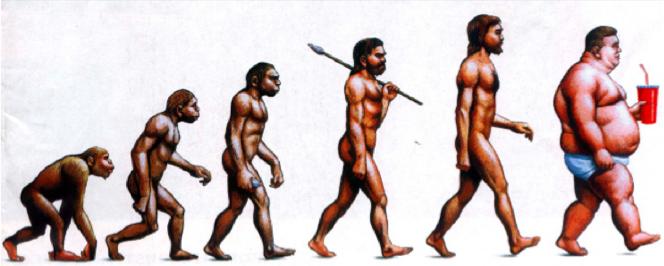
Being overweight and obese (fat) are among today’s leading health risk factors throughout the world, causing 4 million deaths every year. Obesity is often associated with high blood pressure, high blood glucose (diabetes), cardiovascular diseases and cardiac failure.

Until a few decades ago, obesity was considered a condition associated with high socioeconomic status. Indeed, early in the 20th century, most populations in which obesity became a public health problem were located in the developed world. Beginning in the United States and then spreading to Europe, obesity is now fast emerging as the new pandemic (or worldwide epidemic) of the XXIst century.  It affects both sexes and all age groups and has a disproportionate impact upon disadvantaged population groups. By 2030, for example, more than 50 per cent of the adult population in the USA will be obese… read more

Eduardo Missoni (published on indaba-network.net)

Contrassegnato , , | Commenti disabilitati su Il mondo è grasso

The world is fat

For better-off families, the December/January Holiday Season is a period of traditional overeating, while the millions of people who suffer from chronic lack of food and the millions of children who die of malnutrition, worldwide, remain forgotten. Yet paradoxically, diseases once associated with opulent societies and wealthy people increasingly affect both rich and poor countries.

A worldwide epidemic

Being overweight and obese (fat) are among today’s leading health risk factors throughout the world, causing 4 million deaths every year. Obesity is often associated with high blood pressure, high blood glucose (diabetes), cardiovascular diseases and cardiac failure.

Until a few decades ago, obesity was considered a condition associated with high socioeconomic status. Indeed, early in the 20th century, most populations in which obesity became a public health problem were located in the developed world. Beginning in the United States and then spreading to Europe, obesity is now fast emerging as the new pandemic (or worldwide epidemic) of the XXIst century.  It affects both sexes and all age groups and has a disproportionate impact upon disadvantaged population groups. By 2030, for example, more than 50 per cent of the adult population in the USA will be obese… read more

Eduardo Missoni (published on indaba-network.net)

Pubblicato in Global Health @en | Commenti disabilitati su The world is fat

Best wishes! Felicidades!

(Texto en español más abajo)

Christmas 2011 – New Year 2012
Navidad 2011 – Año Nuevo 2012

Dear friends,

every year I add to the list of addressee of my message new colleagues and friends whom I like to thank for having shared a part of the walk. More and more, my thoughts are with young people, among whom obviously the students with whom I have the opportunity to share reflections and projects, dreams and the commitment to make them reality.
It is pleasant to think in an intergenerational community which shares knowledge and experience, as well as the commitment for social change, a growing community that renews itself from year to year building new spaces for local and global action, as in the indaba-network initiative.
Many observers have analyzed the global economic crisis that characterized the past year, and the wish we all share is obviously that the year that (according to the christian calendar) starts today will bring us back a little of serenity and opportunities to overcome present difficulties. Still few are those who explore the real roots of the crisis, which in reality is only a symptom of a much deeper crisis of values and of the societal model we live in.
A change of direction becomes progressively more urgent. Therefore I renew my wishes to see an ever growing number of people challenging that unjust and unsustainable model. Working together – notwithstanding our different ways of doing it, as different are our talents – toward a shared project of social justice and peace.

Best wishes!

Eduardo

* * * * *

Queridas amigas, queridos amigos,

cada año añado a la lista de mi mensaje nuevos colegas y amigos a quienes deseo agradecer por el camino recurrido juntos. Mi pensamientos están dedicados cada vez más a los jóvenes, entre los cuales naturalmente los estudiantes con los cuales tengo la suerte di compartir reflexiones y proyectos, así como sueños y el compromiso para que se hagan realidad.
Es bonito pensar en una comunidad intergeneracional que comparte conocimientos y experiencias, pero también el compromiso para la transformación social, una comunidad que crece y se renueva de año en año construyendo nuevos espacios de acción locales y globales como en la iniciativa de indaba-network.
Muchos han analizado la crisis económica global que ha caracterizado el año recién terminado, y el deseo que todos compartimos es naturalmente que el año que (según el calendario cristiano) comienza hoy nos devuelva un poco de serenidad y oportunidades para dejar atrás los momentos más difíciles.
Todavía son pocos quienes se interroguen sobre las raíces verdaderas de esta crisis, que es en realidad sólo un síntoma de una crisis mucho más profunda de valores y de modelo de sociedad. Un cambio de ruta es cada vez más urgente. Por lo tanto renuevo el deseo de ver crecer el número de personas que desafían ese modelo injusto y no sustentable. Trabajando juntos, aún siguiendo caminos distintos, tal como son distintos nuestros talentos, para un proyecto común de justicia social y paz.

Felicidades!

Eduardo

Pubblicato in Uncategorized | Commenti disabilitati su Best wishes! Felicidades!

Auguri! Felicidades!

(Texto en español más abajo)

Natale 2011 – Capodanno 2012
Navidad 2011 – Año Nuevo 2012


Care amiche e cari amici,

ogni anno aggiungo alla lista del mio messaggio nuovi colleghi e amici che desidero ringraziare per il cammino fatto insieme. Il mio pensiero va sempre di più ai giovani, tra i quali naturalmente gli studenti con cui ho la fortuna di condividere riflessioni e progetti, sogni e l’impegno per realizzarli. E’ bello pensare ad una comunità intergenerazionale di condivisione di conoscenze ed esperienze, ma anche di impegno e trasformazione sociale, che cresce e si rinnova di anno in anno con la costruzione di nuovi spazi di azione locali e globali come nell’iniziativa di indaba-network.
In molti hanno analizzato la crisi economica globale che ha caratterizzato l’anno appena concluso e l’augurio che tutti ci facciamo è naturalmente che l’anno che (secondo il calendario cristiano) inizia oggi riporti un po’ di serenità e opportunità per lasciare dietro di noi i momenti più difficili. Sono ancora pochi quelli che si interrogano sulle vere radici di questa crisi, che è in realtà solo il sintomo di una ben più profonda crisi di valori e di modello di società. Un cambiamento di rotta diviene sempre più urgente. Rinnovo dunque l’augurio di essere sempre di più a sfidare quel modello iniquo e insostenibile. Lavorando insieme, anche se con percorsi distinti, come sono distinti i nostri talenti, ad un comune progetto di giustizia sociale e pace.

Auguri!

Eduardo

* * * * *

Queridas amigas, queridos amigos,

cada año añado a la lista de mi mensaje nuevos colegas y amigos a quienes deseo agradecer por el camino recurrido juntos. Mi pensamientos están dedicados cada vez más a los jóvenes, entre los cuales naturalmente los estudiantes con los cuales tengo la suerte di compartir reflexiones y proyectos, así como sueños y el compromiso para que se hagan realidad.
Es bonito pensar en una comunidad intergeneracional que comparte conocimientos y experiencias, pero también el compromiso para la transformación social, una comunidad que crece y se renueva de año en año construyendo nuevos espacios de acción locales y globales como en la iniciativa de indaba-network.
Muchos han analizado la crisis económica global que ha caracterizado el año recién terminado, y el deseo que todos compartimos es naturalmente que el año que (según el calendario cristiano) comienza hoy nos devuelva un poco de serenidad y oportunidades para dejar atrás los momentos más difíciles.
Todavía son pocos quienes se interroguen sobre las raíces verdaderas de esta crisis, que es en realidad sólo un síntoma de una crisis mucho más profunda de valores y de modelo de sociedad. Un cambio de ruta es cada vez más urgente. Por lo tanto renuevo el deseo de ver crecer el número de personas que desafían ese modelo injusto y no sustentable. Trabajando juntos, aún siguiendo caminos distintos, tal como son distintos nuestros talentos, para un proyecto común de justicia social y paz.

Felicidades!

Eduardo

Pubblicato in Uncategorized | Contrassegnato | Commenti disabilitati su Auguri! Felicidades!

Auguri! Felicidades! Best Wishes!

Pubblicato in Uncategorized | Contrassegnato | Lascia un commento

Hello world!

Welcome to WordPress. This is your first post. Edit or delete it, then start blogging!

Pubblicato in Uncategorized | Lascia un commento