
Global Health Governane and Policy
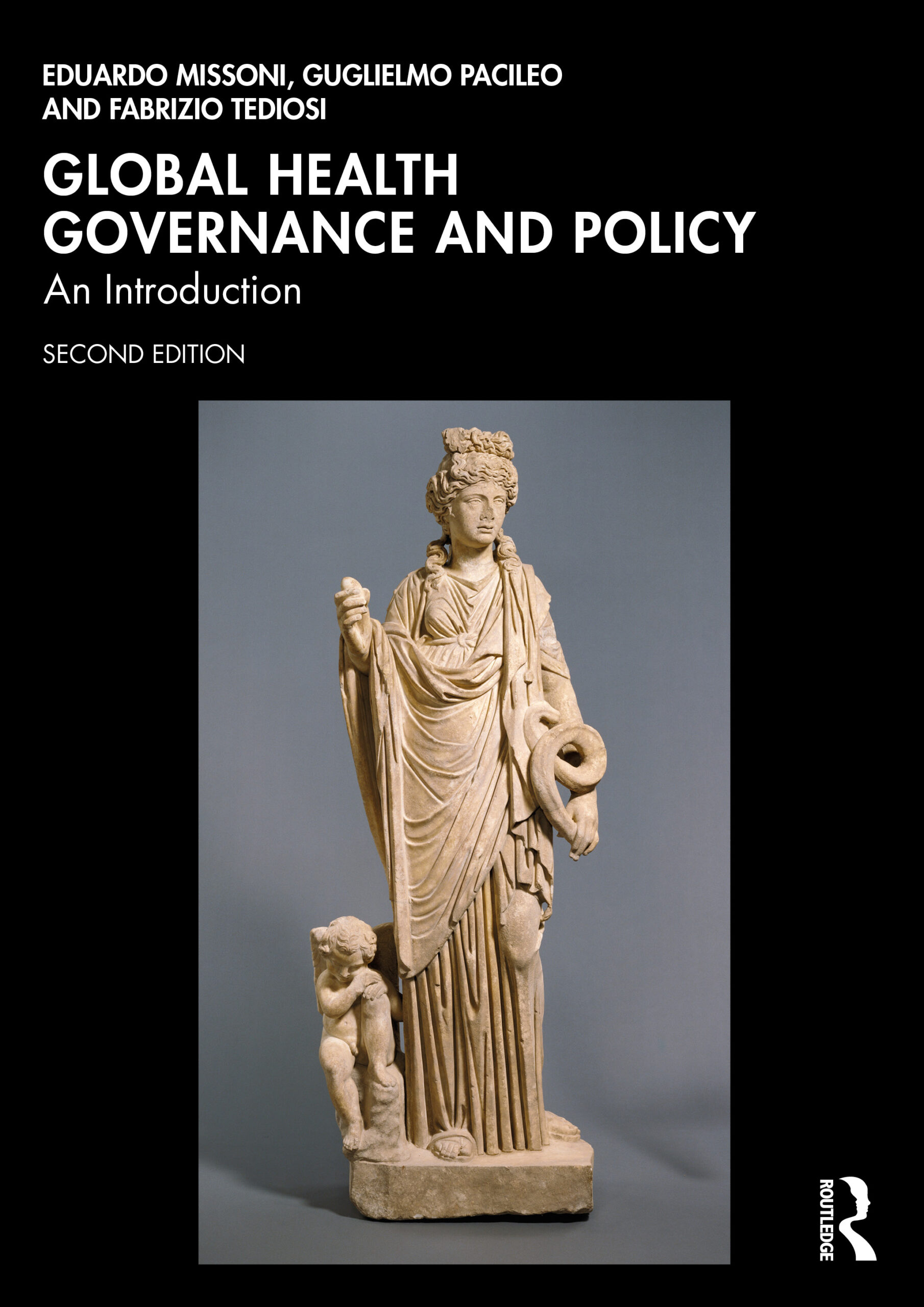
Dialogue on Scouting – Diálogo sobre Escultismo – Dialogue sur le Scoutisme – Dialogo sullo Scautismo
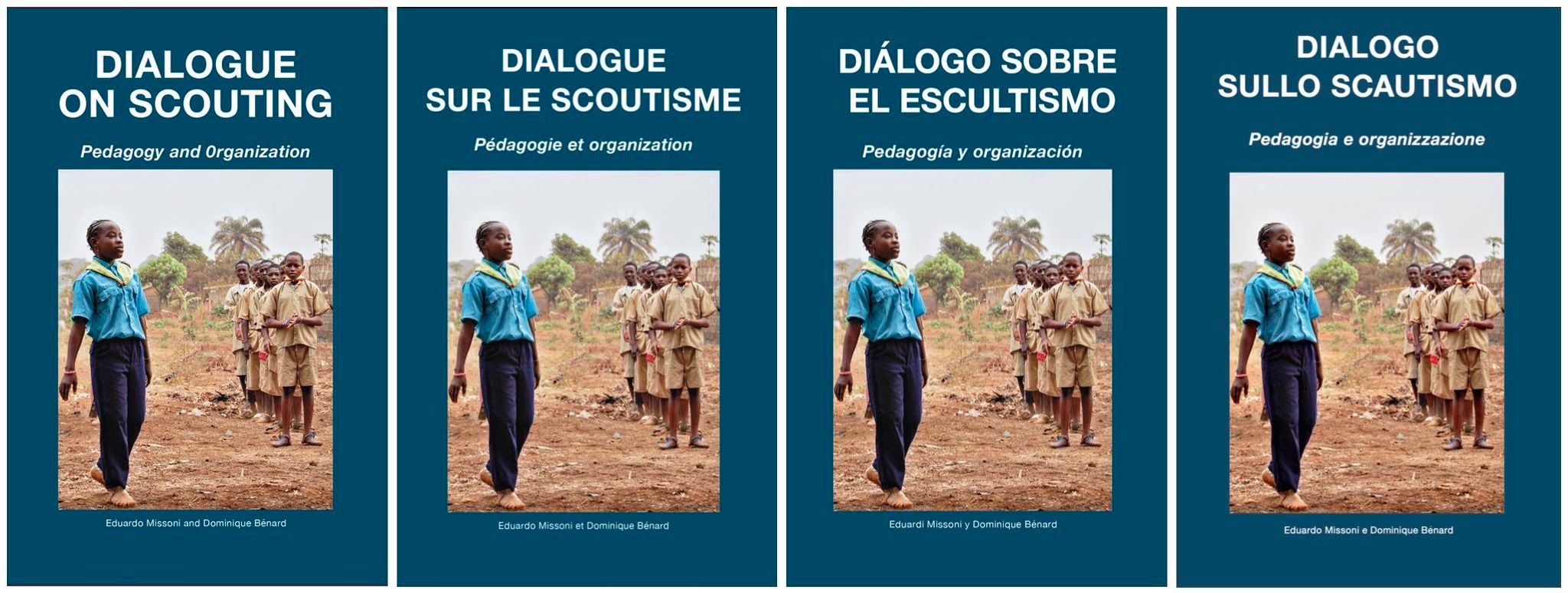
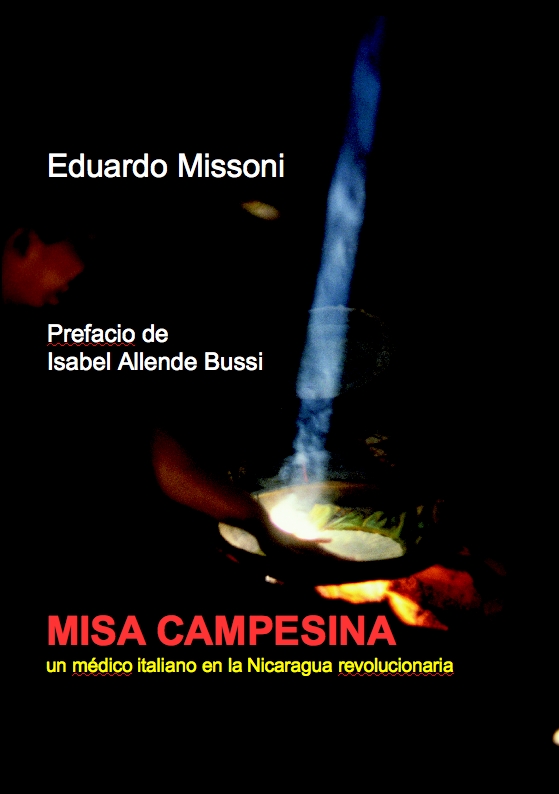
Misa Campesina. Un medico italiano nel Nicaragua rivoluzionario
Management of International Institutions and NGOs. Insights for Global Leaders
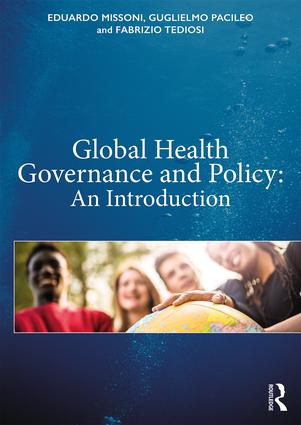
Global Health Governance and Policy. An Introduction
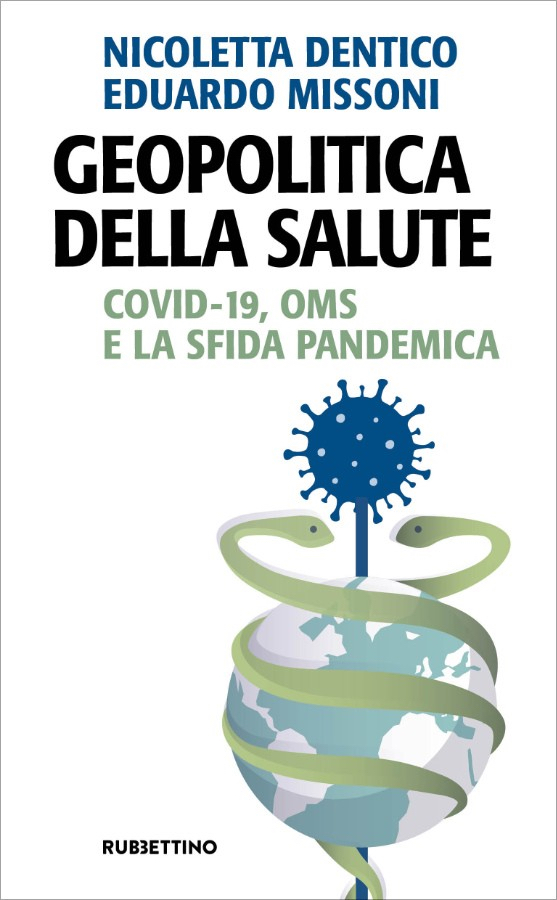
Geopolitica della salute. Covid-19, OMS e la sfida pandemica
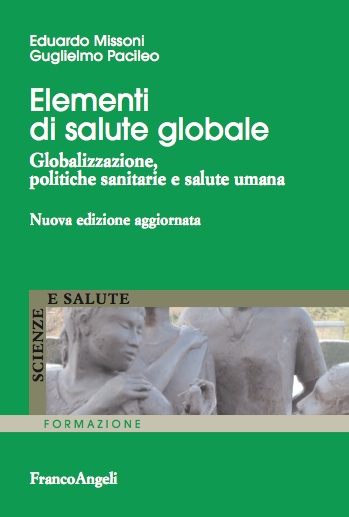
Elementi di salute globale (2a ed.) 2016
Misa Campesina en español
semel Scout semper Scout
Aiuti allo sviluppo. La scelta canadese fa riflettere
 L’agenzia canadese per lo sviluppo internazionale (CIDA) fin qui guidata da un ministro ad hoc (Ministro della Cooperazione Internazionale) verrà dunque accorpata in un ministero degli esteri rinominato, per l’appunto, Dipartimento degli affari esteri, il commercio e lo sviluppo (in Canada i ministeri sono denominati dipartimenti). La rivista Vita ne dà la notizia con un articolo di Gabriella Meroni che riporta anche le reazioni favorevoli di chi sostiene che si tratti di una scelta opportuna data l’inefficacia degli aiuti e quindi l’inutilità dell’agenzia.
La scelta canadese offre almeno due spunti di riflessione. Il primo, sull’efficacia degli aiuti, s’inquadra in una più generale discussione sulla finalità e le modalità della cooperazione internazionale allo sviluppo. Il secondo, assume particolare rilevanza nel dibattito riavviatosi in Italia nella scorsa legislatura circa la configurazione istituzionale più adeguata alla formulazione e gestione di quelle politiche in un’auspicabile ripresa del processo di riforma del settore.
Per quanto riguarda l’efficacia, …. leggi oltre
Pubblicato in Cooperazione allo sviluppo
Lascia un commento
Golpe
Seconda parte dell’intervista raccolta dal Raid Risoluzione della sezione ASSORAIDER di Milano 2 a Eduardo Missoni, segretario generale dell’Organizzazione Mondiale del Movimento Scout dal 2004 al 2007.
Pubblicato in Scautismo
Lascia un commento
La privatizzazione della salute globale
Intervista di Gianluca Cafagna.
Il Professor Missoni aiuta a far luce sul “perché” e sul “come” i nuovi attori globali, come alcuni rappresentanti della filantropia e le partnerships pubblico-privato, influenzano le politiche e i programmi di salute globale, limitando l’attività di promozione di politiche regolatorie e linee guida da parte dell’Organizzazione Mondiale della Sanità.
Pubblicato in Organizzazione Mondiale della Sanità, Salute Globale
Lascia un commento
Come si diventa Segretario Generale dello Scoutismo Mondiale
Prima parte dell’intervista raccolta dal Raid Risoluzione della sezione ASSORAIDER di Milano 2 a Eduardo Missoni, segretario generale dell’Organizzazione Mondiale del Movimento Scout dal 2004 al 2007.
Pubblicato in Scautismo
Lascia un commento
Auguri! Felicidades! Best Wishes!
Christmas 2012 – New Year 2013
Navidad 2012 – Año Nuevo 2013
(Texto en español más abajo)
Dear friends,
Christmas is a time for reflection and renewed hope for christianity, nevertheless in this time of the year the interchange of good wishes has become universal. The medium is global, but my desire to share thoughts is very personal because with each and every one of you I shared a part of The Road; sometimes only a few steps.
“Small steps lead to great accomplishments” I wrote with some good friends many years ago, while planning the future, all of us being committed to “leave the world a little better than we found it”. Every time that I analyze the present, I doubt that we reached that goal, beyond our nearest circle. Trusting that each one of us “did his/her best” is the main consolation. However those who were granted the capability to critically analyze the reality, together with the talents to change it, inevitably have to face a greater social responsibility.
Once again I wish that all of us can take up that responsibility and together build local, national and global communities where the rights and the value of every human being are recognized and nobody is left out.
Best wishes!
Eduardo
www.eduardomissoni.info
* * * * *
Queridas amigas, queridos amigos,
la Navidad es un momento de reflexión y renovada esperanza para la cristiandad, pero en este periodo del año se ha vuelto universal el desearse felicidades. El medio es global, pero el compartir pretende ser personal porque a cada una/uno de ustedes me une una parte más o menos larga del Camino hecho; a veces sólo unos pocos pasos.
“Es por pequeños pasos que se alcanzan los logros más grandes” escribía hace muchos años, cuando construía proyectos de futuro con unos amigos igualmente convencidos de querer “dejar el mundo un poco mejor de como lo encontramos” . Cada vez que reflexiono sobre el presente, me pregunto – con más de una duda – si lo hemos logrado, más allá de nuestro entorno más próximo. Mi consuelo es pensar que cada una/o de nosotros ha hecho “todo lo que de ella/él dependa”. Por otro lado, quienes recibieron el don de saber analizar críticamente la realidad y también los talentos para cambiarla, tienen inevitablemente una mayor responsabilidad social.
Mi deseo es – una vez más – que todas/todos podamos asumirnos esa responsabilidad, para construir juntos comunidades locales, nacionales y globales donde ese reconozcan los derechos y el valor de todas las personas y donde no se deje afuera a nadie.
Felicidades!
Eduardo
www.eduardomissoni.info
* * * * *
Commenti disabilitati su Auguri! Felicidades! Best Wishes!
Auguri! Felicidades! Best Wishes!
Natale 2012 – Capodanno 2013
Navidad 2012 – Año Nuevo 2013
(Texto en español más abajo)
Care amiche e cari amici,
il Natale è momento di riflessione e rinnovata speranza per la cristianità, ma intorno a quest’epoca dell’anno è divenuto universale lo scambio di auguri. Il mezzo di trasmissione è globale, ma la condivisione vuole essere personale perché a ciascuna/o di voi mi lega un tratto più o meno lungo di Strada percorsa; a volte solo pochi passi.
“É a piccoli passi che si procede verso le grandi realizzazioni” scrivevo molti anni fa progettando il futuro con amici altrettanto convinti di voler “lasciare il mondo un po’ migliore di come lo abbiamo trovato”. Ogni volta che mi fermo a riflettere sul presente, mi chiedo dubbioso se ci siamo riusciti al di là del nostro intorno immediato. Mi consola pensare che ognuna/o di noi ha fatto “del proprio meglio”. D’altra parte a quanti hanno ricevuto il dono di saper analizzare criticamente la realtà e i talenti per cambiarla, spetta inevitabilmente una maggiore responsabilità sociale.
L’augurio è ancora una volta di poterci assumere tutti quella responsabilità, per costruire insieme comunità locali, nazionali e globali che riconoscano i diritti e i valori di ogni persona e nessuno sia lasciato fuori.
Auguri!
Eduardo
www.eduardomissoni.info
* * * * *
Queridas amigas, queridos amigos,
la Navidad es un momento de reflexión y renovada esperanza para la cristiandad, pero en este periodo del año se ha vuelto universal el desearse felicidades. El medio es global, pero el compartir es personal porque a cada una/uno de ustedes me une una parte más o menos larga del Camino hecho; a veces sólo unos pocos pasos.
“Es por pequeños pasos que se alcanzan los logros más grandes” escribía hace muchos años, cuando construía proyectos de futuro con unos amigos igualmente convencidos de querer “dejar el mundo un poco mejor de como lo encontramos” . Cada vez que reflexiono sobre el presente, me pregunto dudoso si lo hemos logrado más allá de nuestro entorno más próximo. Mi consuelo es pensar que cada una/o de nosotros ha hecho “todo lo que de ella/él dependa”. Por otro lado, quienes recibieron el don de saber analizar críticamente la realidad y también los talentos para cambiarla, tienen inevitablemente una mayor responsabilidad social.
Mi deseo es – una vez más – que todas/todos podamos asumirnos esa responsabilidad, para construir juntos comunidades locales, nacionales y globales donde se reconozcan los derechos y el valor de todas y cada una de las personas y donde no se deje afuera a nadie.
Felicidades!
Eduardo
www.eduardomissoni.info
* * * * *
Pubblicato in Auguri
Contrassegnato Messaggi augurali
Commenti disabilitati su Auguri! Felicidades! Best Wishes!
Una nuova organizzazione per la salute globale: l’OMS
 Il ruolo dell’Oms è stato messo a dura prova negli ultimi anni dal rapido modificarsi dello scenario globale, con nuove priorità sanitarie e con l’emergere di nuove forme di collaborazione pubblico-privato, con annessi conflitti di interesse. Una riforma è dunque necessaria, ma non tutti sembrano volerla. Eppure il suo ruolo guida è insostituibile. Passa però da provvedimenti per la qualità della gestione e la stabilità finanziaria dell’organizzazione, dal recupero di sostegno e fiducia degli Stati membri, dalla drastica riduzione della dipendenza dal settore privato.
Il 26 maggio si sono conclusi a Ginevra i lavori della sessantacinquesima Assemblea mondiale della sanità, massimo organo dell’Organizzazione mondiale della sanità. L’Oms è l’agenzia specializzata della Nazioni Unite cui nel 1948 si assegnò l’obiettivo del “raggiungimento per tutte le popolazioni del più alto livello possibile di salute”, assicurandole a tal fine considerevoli poteri normativi e il mandato “di agire come l’autorità di direzione e coordinamento del lavoro internazionale in salute”. (1)
LE NUOVE SFIDE
Un ruolo messo a dura prova soprattutto negli ultimi anni dal rapido modificarsi dello scenario globale sia in termini di priorità sanitarie, sia sul piano della governance. ...leggi oltre...
Pubblicato in Organizzazione Mondiale della Sanità, Salute Globale
Contrassegnato Organizzazione Mondiale della Sanità, salute globale
Commenti disabilitati su Una nuova organizzazione per la salute globale: l’OMS
A Global Health expert at head of the World Bank

(Published in Italian by LaVoce.info on 24.4.2012)
That the US President’s candidate to the Presidency of the World Bank, Jim Yong Kim, was the one selected for the job on April 16th 2012 by the Board of Directors of the global economic institution is no news. (1) The novelty is that President Obama proposed a Global Health expert, medical doctor and anthropologist, not an economist. (2)
WHO IS JIM YONG KIM
The week before the appointment, the Wall Street Journal reported the “rebellion” of “ a long list of development experts, government officials and news organizations around the world” elicited by Obama’s decision. (3) According to those opposers the other two candidates, the Nigerian Finance Minister Ngozi Okonjo-Iweala, and the former Finance Minister of Colombia, José Antonio Ocampo, were better qualified for the job, given Kim’s lack of experience in financial and economic issues at the core of the World Bank activity. It is also the first time in history that the choice of the candidate is contested.
Former professor of Social Medicine and Global Health at Harvard Medical School, in 2009 Kim became the President of Dartmouth College. Before he was at the World Health Organization (WHO) initially as the adviser to the Director General and later as the Director of the HIV/AIDS Programme. In 1987, together with Paul Farmer he was the co-founder of the American NGO Partners in Health well known for its community health programmes in several poor countries, starting with Haiti, and for advocating universal access to care.
Apart from his professional background, one cannot omit to notice the criticism Kim moved in the past to neoliberism. In the book Dying for Growth, published in the year 2000, together with the other co-editors Kim criticised economic growth as the only mean to reduce poverty and improve quality of life: “The quest for growth in GDP and corporate profits has in fact worsened the life of millions of women and men”. (4) The book attacked the structural roots of inequalities in global health and identified in capitalism, and specifically in neoliberism, and in those development policies the cause of the negative impact on health.
Later, Kim’s activities and scientific production were mainly focussed on Aids and tuberculosis and especially on the access to treatment for these pathologies, often linking those issues with social justice.
“If we really believe in health as a human right, what are we actually doing to realize that right? In other words, – asked Kim in an interview in 2008 – what are we doing to make sure that people have access to clean water, to housing, to employment and to health care?” . (5) Kim is convinced that to solve those problems a system perspective is needed. To those who say that the financial crisis does not allow any longer to invest in health services for the poorest, he answers that this represents “a fundamental mistake. The economic downturn will force us to move even more quickly toward collaboration with experts in systems management and operational strategies.”. In Kim’s opinion the commitment to reach the Millennium Development Goals represents “our most important investment to ensure productivity and political stability in the world.”.
A STRONG SIGNAL
It will be interesting to se to which extent Kim will be able to negotiate a higher attention of the World Bank to social development issues. But what can we expect from Kim as a leader of a complex organization?
“Being a doctor was useful to me from day to day – Kim likes to repeat referring to the period he spent at WHO – but being an anthropologist was useful every day”. (6) In his opinion, that organization is “one of the most complicated bureaucracies in the world”, thus a good training field. (7) The World Bank is doubtfully less complicated. “The task of anthropology, which is to understand deeply and to find a path toward empathy for people who have very different perspectives from your own, is both difficult and critically important in organizations like the WHO”.
A negotiating capacity that others have read with a critical eye, attributing to Kim, not without some dosis of sarcasm , “astonishing successes” in “creatively mediate the tension between ideological rigor and pragmatic accommodation”. “He has been quite willing to support the profitability of already very wealthy corporations if it means saving a life in the here and now.” wrote the American Anthropologist in 2011 in a short analysis of Kim’s career. (8)
Kim’s appointment does not interrupt the tradition of the American leadership at the head of the World Bank, but – probably without drastic transformations – it could be a strong signal toward alternative approaches to development. On the day of his election, Kim said that he wants a World Bank that “delivers more powerful results to support sustained growth, prioritizes evidence-based solutions over ideology, amplifies the voices of developing countries and draws on the expertise and experience of the people we serve.”. (9) Also President Obama said to be confident that Kim will bring to the Bank “a passion for and deep knowledge of development, a commitment to sustained economic growth” but also “the ability to respond to complex challenges and seize new opportunities”. (10)
A Global Health expert guiding the Institution whose motto is “Working for a World free of Poverty”, does not mean having definitively overcome the neoliberal approach and finally measure development according to equity and social determinants of health, however it could be a first step to strengthen inside the Bank the debate on those issues and bring economics nearer to the real need of the population. (11)
(1)The 25 members of the Board, however, did not express a unanimous vote. Among the BRICS, India, China and Russia supported Jim Yong Kim, while Brazil and South Africa supported the Nigerian candidate. Lesley Wroughton, “World Bank picks health expert Kim as president”, Reuters, Washington, 16.4.2012 (http://www.reuters.com/article/2012/04/16/us-worldbank-idUSBRE83F0XF20120416?feedType=RSS&feedName=topNews&rpc=71)
In over sixty years of its history, the Bank has always been led by a US citizen, following the non written agreement between the US and its European allies, that in exchange have always maintained a European at the head of the International Monetary Fund. Together, on the basis of the existing weighted vote mechanism, United States and Europe together have about 50% of the votes.
(2) Global Health is an emerging area for interdisciplinary studies, research and practice that considers the effects of globalization on health -understood in the comprehensive meaning of a complete state of physical, mental and social well-being- and the achievement of equity in health for all people worldwide, emphasizing transnational health issues, determinants and solutions, and their interactions with national and local systems. (www.cergas.unibocconi.it/globalhealth)
(3) Sudeep Reddy, “Criticism Over U.S.’s World Bank Pick Swells”, Wall Street Journal, 8.4.2012 (http://online.wsj.com/article/SB10001424052702304587704577331611782367728.html). Ocampo left the competition the week before the election in support of the Nigerian candidate.
(4) Jim Young Kim, Joyce V. Millen, Alec Irwin, and John Gershaman, (eds.) Dying for Growth: Global Inequality and the Health of the Poor. Monroe, ME: Common Courage Press, 2000, p.7.
(5) Prashant Nair, “Straight talk with…Jim Yong Kim”, Nature Medicine, volume 14, number 12, december 2008, pp.1298-1299. The to following quotes are from the same interview.
(6) Jim Yong Kim, Dartsmouth’s President elect public lecture titled “Tackling the World’s Troubles: Global Health and the Challenge for Dartmouth” on May 26, 2009. (http://www.youtube.com/watch?v=OM5HHwp954E&feature=related)
(7) Di nuovo, un’affermazione ripresa dall’intervista a Prashant Nair, come quella che segue.
(8) G. Derrick Hodge, “Walking the Line between Accommodation and Transformation: Evaluating the Continuing Career of Jim Yong Kim”, American Anthropologist, Vol. 113, No. 1, March 2011, p.148-149.
(9) Annie Lowrey, “U.S. Candidate Is Chosen to Lead the World Bank”, New York Times, 16.4.2012 (www.nytimes.com/2012/04/17/business/global/world-bank-officially-selects-kim-as-president.html?_r=2&adxnnl=1&adxnnlx=1334660549-OmDXwYmosNP1Qqk5jH09EA)
(10) Adam Aigner-Treworgy, “Kim named World Bank president”, Cnn Politics, 16.4.2012. (http://whitehouse.blogs.cnn.com/2012/04/16/kim-named-world-bank-president/)
(11) Fore an in depth reading about social determinants of health see: CSDH, “Closing the gap in a generation: health equity through action on the social determinants of health”. Final Report of the Commission on Social Determinants of Health, Geneva, World Health Organization, 2008
Commenti disabilitati su A Global Health expert at head of the World Bank
Un esperto di Salute Globale alla guida della Banca Mondiale
Che Jim Yong Kim, il candidato alla presidenza della Banca Mondiale selezionato il 16 aprile 2012 dal Board of Directors della istituzione economica globale, sia proprio quello indicato dal presidente degli Stati Uniti non è una novità. (1) La novità è che il presidente Obama ha proposto un esperto di salute globale, medico e antropologo, non un economista. (2)
CHI È JIM YONG KIM
La settimana precedente la nomina, il Wall Street Journal riferiva della “ribellione” di una “lunga lista di esperti di sviluppo, funzionari governativi e agenzie d’informazione di tutto il mondo” alla notizia della decisione di Obama. (3) A giudizio degli oppositori gli altri due candidati, la ministro delle Finanze nigeriana Ngozi Okonjo-Iweala, e l’ex ministro delle Finanze colombiano José Antonio Ocampo, sarebbero stati più qualificati per quell’incarico, data l’inesperienza di Kim nei temi tipicamente finanziari ed economici della Banca Mondiale. È la prima volta che nella gara, la scelta del candidato viene contestata.
Già professore di medicina sociale e salute globale alla Harvard Medical School, nel 2009 Kim è divenuto il presidente del Dartmouth College. Precedentemente era stato all’Organizzazione mondiale della sanità (Oms) prima come consigliere del direttore generale e poi come direttore del dipartimento per la lotta all’Hiv/Aids. Nel 1987 aveva fondato insieme a Paul Farmer la Ong americana Partners in Health molto nota per i suoi programmi di salute comunitaria in diversi paesi poveri, il primo ad Haiti, e per la sua battaglia per garantire accesso universale alle cure mediche.
Indipendentemente dal suo background professionale, non sono sfuggite le critiche rivolte da Kim in passato contro il modello neoliberale. Nel libro Dying for Growth (Morire per la crescita), pubblicato nel 2000, insieme agli altri curatori dell’opera, Kim criticava la crescita economica come unico mezzo per ridurre la povertà e migliorare la qualità della vita: “L’instancabile ricerca della crescita del Pil e di profitti per l’industria privata ha di fatto peggiorato la vita di milioni di donne e uomini”. (4) Il volume attaccava le radici strutturali delle disuguaglianze in salute globale e indicava nel capitalismo, in particolare nel neoliberismo, e in quelle politiche di sviluppo la causa dell’impatto negativo sulla salute.
Attività e produzione scientifica di Kim si concentrarono poi in gran parte su Aids e tubercolosi e in particolare sull’accesso alle terapie per far fronte a queste patologie, mettendo spesso in relazione quei temi con la giustizia sociale…. (Leggi oltre )
Pubblicato in Banca Mondiale, Salute Globale
Contrassegnato Banca Mondiale, crescita economica, Determinanti sociali, equità, salute globale, sviluppo
Commenti disabilitati su Un esperto di Salute Globale alla guida della Banca Mondiale